Another year, another Seder—how many Seders have I led or gone to in my life. Too many to trace with a number. As I do every year, last Friday, I again had the pleasure and excitement of taking down my mother’s silver cups with her initials, and polishing them carefully. Another year of setting the table with my best tablecloth, the symbolic Passover food, the special Seder plate, and my company dishes. What Haggadah (the Passover ritual) shall I use? I always come back to the one I wrote years ago. Each year the Seder renews my own history, my own journey—where I started and where I am now.
When I was a child, I wasn’t exactly sure what Passover meant. Every year I heard the same story; Moses freed the Jewish slaves and led them out of Egypt. They roamed the desert for forty years, received the Ten Commandments and, finally, reached Israel. The ancient Passover story meant freedom for the Jews, freedom to leave slavery, freedom to leave Egypt, freedom to find the Promised Land.
The Seder is literally a reenactment or story of the Jewish experience, the years of bondage in slavery, the search for freedom, the forty years of wandering to reach “the Promised Land.” Today, I know it is a metaphor for freedom, but then I didn’t know where Egypt was or what was meant by the Promised Land.
My earliest memory is my grandfather leading the Seder. He was a gentle man, small in stature, with a soft voice. He would read in Hebrew, from the Haggadah, the book describing ritual, the men sometimes joining, while everyone else, the women and children, sat around the table, waiting and listening. But the meal was fun because it was family—cousins laughing and stealing the wine, everyone together, and eating different kinds of food.
Every year we heard the same themes—what is freedom, who is free?
After Charly and I were married, we had our own Seders. As the woman of the house, I took on my mother’s role, shopping, cleaning, cooking, and getting the table ready. My husband always led these Seders. At our Seders we used children’s Haggadahs, the English translation was right there with the Hebrew and the children could understand the holiday.
My marriage began in full bloom, but slowly over time it felt quite barren. Just as the Jewish people had been slaves, I had been captive in the notion of what my role was, what I had to do and how to do it. What is freedom? Who is free? Free from what? “Living happily ever after” was an unfulfilled promise.
The marriage ended, and I began a new journey, a journey sometimes frightening and, often, lonely. Like the Jewish people wandering in the desert, I went out into the world with my children and wandered for a long time without a clear understanding of where I wanted to go or my final destination. What was my Promised Land? Eventually, my career evolved, I acquired a doctorate and was one of the first faculty members at a new experimental college.
After the divorce, I continued the Seders and over time, my own voice evolved depending on where I was in my life and what questions I had about freedom. I led them and always ended with: “What is freedom, who is enslaved, who is free?
For some of those Seders, Richard, my long-time lover, and I led them together. All our children, his and mine, relatives, and friends came. First, we invited ten people, then fifteen, once even twenty. We were so proud, so steeped in promise. Our Seders were contemporary, based on themes about the Holocaust, Anne Frank, poverty in America, Vietnam, and civil rights. We always ended with: “What is freedom, who is enslaved, who is free?
Now, I write my own Haggadah. The table is again set with all my beautiful things, my dishes, my mother’s silver, glasses collected from my travels, candlesticks from Sweden, my sister’s flowers. I like tradition, I like the modern world.
Family and friends, children, and grandchildren read prayers and poetry, talk about their lives, their journeys, their own quests for freedom, the freedom of the Jews, the exodus of the Soviet Jews, each from our own Exodus, our particular bondage.
The years pass, and the Seders go on and on. Each one is different and yet all the same. We talk together about all the themes of the Passover Seder—modern plagues, Aids, poverty, war, violence, and the freedom and problems of living in a modern democracy, America. We have reached the Promised Land, a land where freedom roams, the desert blooms, and my family thrives.
Each year we ask, “What is freedom, who is enslaved, who is free?”
I am here, this is my voice.
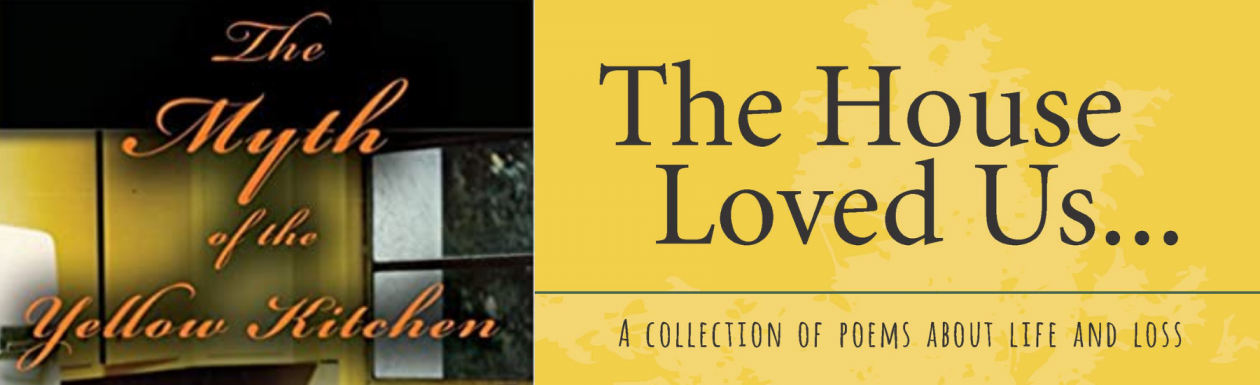
A longer version of this essay is in my book, The Myth of the Yellow Kitchen.





 Rhoada Wald